Introduction to Access Control Systems
Access Control Systems play a pivotal role in modern security design, enabling facilities to manage and monitor the movement of individuals electronically and intelligently. These systems determine who can enter, when, and to which areas, enhancing safety and reducing unauthorized access risks. (emaar.sa)
Access control uses technologies like ID cards, fingerprint scanning, facial recognition, and smart network-based solutions to ensure only authorized individuals gain entry. (emaar.sa)
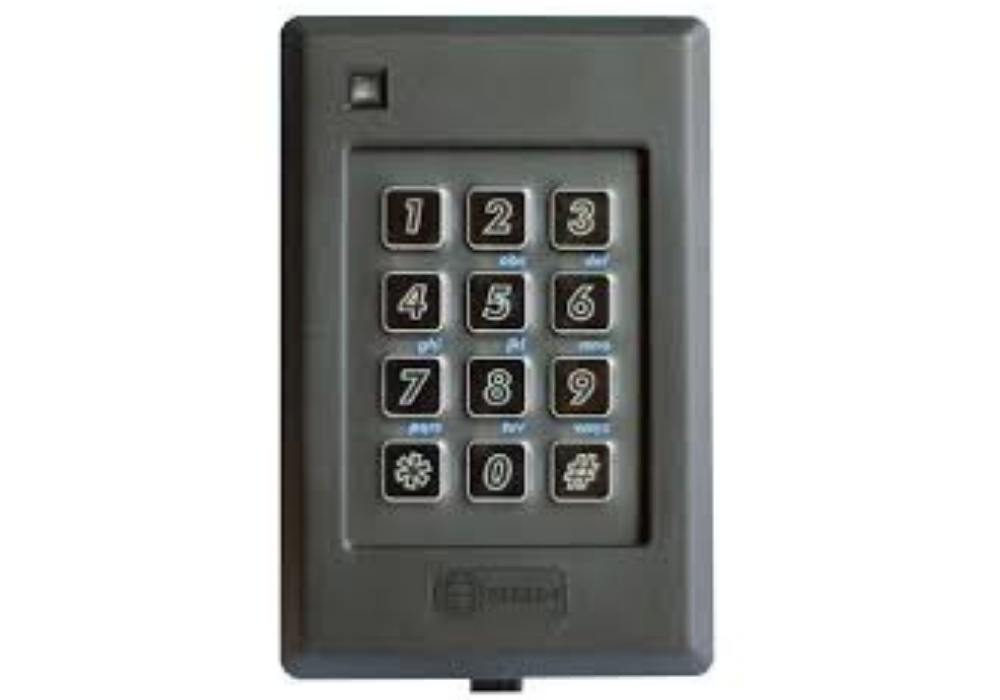
Why Access Control Systems Are Important
Why have these systems become essential for businesses and institutions? Simply because they:
-
Improve security and prevent unauthorized entry
-
Monitor personnel behavior within the facility
-
Provide precise entry/exit logs
-
Create a safe environment for staff and visitors
-
Integrate with other systems for enhanced security (emaar.sa)
Without centralized access management, facilities are exposed to significant security risks, especially in sensitive sectors like banking and healthcare.
Core Components of an Access Control System
A typical system includes several core components:
📌 A. Control Panel
The brain of the system, where access rules are programmed and monitored. (emaar.sa)
📌 B. Readers
Devices that read access credentials such as ID cards, fingerprints, or facial recognition scanners. (emaar.sa)
📌 C. Smart Locks
Automatically lock or unlock doors after verifying user identity. (emaar.sa)
📌 D. Software
Programs to control, monitor, log data, and generate detailed reports. (jcarabia.com)
Each component works together to create a secure and efficient system.
Modern Technologies in Access Control
A. 🔑 RFID Card Systems
One of the most widely used solutions, where users are given cards readable wirelessly to access authorized areas. (emaar.sa)
B. 👤 Biometrics
Includes:
-
Fingerprint scanning
-
Facial recognition
-
Iris scanning
Biometric systems are highly secure as they rely on unique personal characteristics, making duplication or tampering very difficult. (emaar.sa)
C. ☁️ Cloud-based AI-enabled Systems
With evolving security technology, companies are moving toward cloud-based and AI-enabled systems to manage access through smart devices and remote servers, offering:
-
Centralized real-time control
-
Advanced security analytics
-
Web-based monitoring and management interfaces
These cloud solutions improve security and speed verification processes while learning from security behaviors in ways that traditional systems cannot. (arxiv.org)
Integration with Other Security Systems
A key advantage of access control systems is integration with other security measures, such as:
-
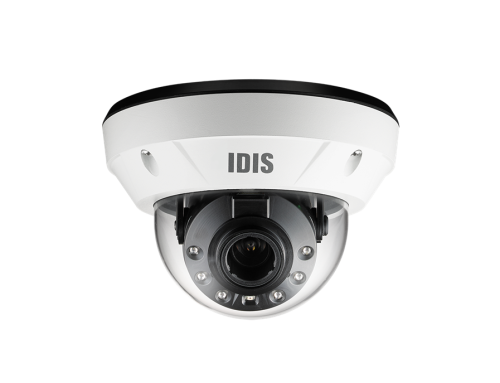
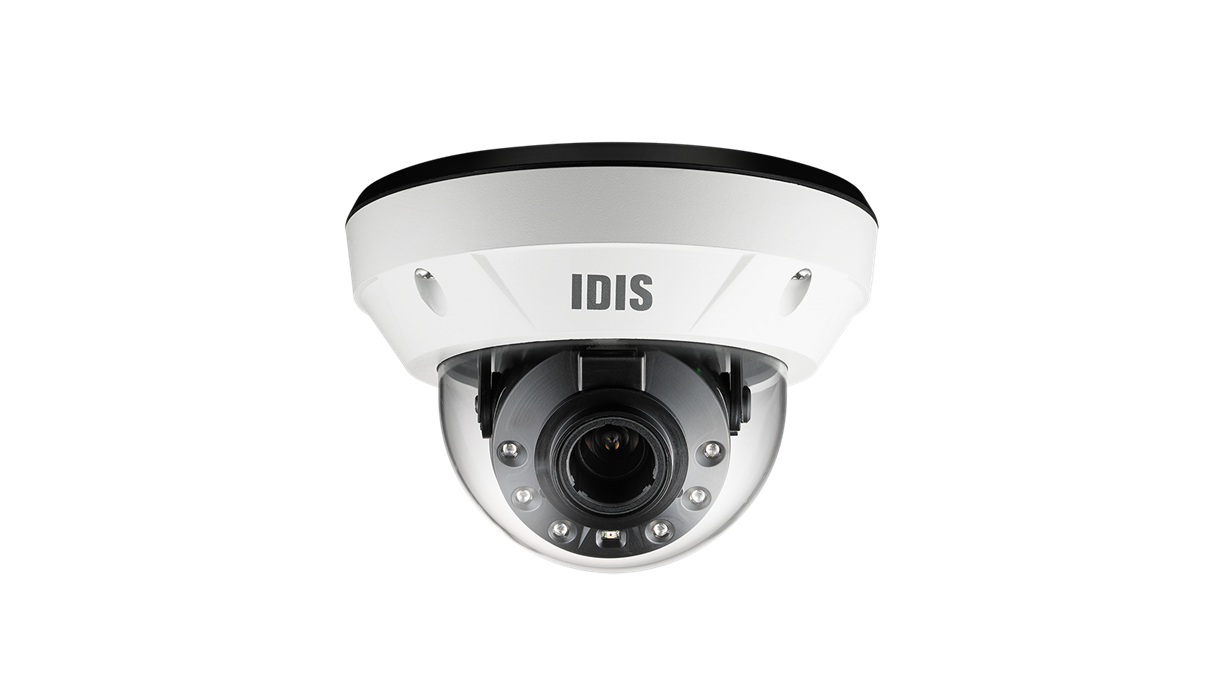
CCTV surveillance cameras
-
Intruder alarm systems
-
Fire protection systems
-
Energy management and smart building controls
Integrating these systems creates a comprehensive security ecosystem, reducing risk and enhancing protection. (ses-solutions.net)
Practical Applications by Sector
A key advantage of access control systems is integration with other security measures, such as:
-
CCTV surveillance cameras
-
Intruder alarm systems
-
Fire protection systems
-
Energy management and smart building controls
Integrating these systems creates a comprehensive security ecosystem, reducing risk and enhancing protection. (ses-solutions.net)