- Innovations in Fire Detection and Alarm Technology
- Innovations in Fire Detection and Alarm Technologies: KYR’s Vision for Smart Safety
- Introduction: The Importance of Fire Alarm Technologies
- The Evolution of Fire Detection Systems
- Modern Fire Detection Technologies
- Smart Fire Alarms: More Than Just a Siren
- Innovations in Fire Suppression Devices and System Integration
- International Standards for Fire Detection and Alarm Systems
- Why Choose KYR for Fire Alarm Solutions?
- Case Studies: Successful KYR System Implementations
- Conclusion: Towards Safer and Smarter Environments
- Sources and Useful Links
Innovations in Fire Detection and Alarm Technologies: KYR’s Vision for Smart Safety
KYR is a company specialized in low-current security systems, serving the market for over 20 years by supplying and servicing a complete range of equipment for hospitals, banks, hotels, shopping centers, retail stores, and office buildings. It is also the exclusive agent for several world-renowned brands in the safety systems industry.
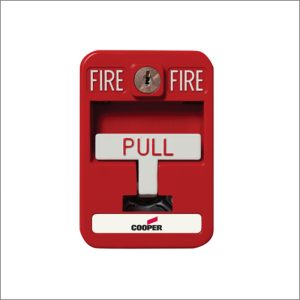
Introduction: The Importance of Fire Alarm Technologies
Fire detection and alarm systems are among the most critical safety components in any building or facility. They play a vital role in saving lives and reducing property damage by detecting incidents at an early stage and alerting occupants and staff promptly. This increases the chances of safe evacuation and allows firefighting teams to respond quickly.
Today, these systems are evolving rapidly to address the challenges of smart buildings and the expanding applications in industrial, commercial, and residential settings. Specialized companies like KYR provide integrated solutions based on advanced technology.
The Evolution of Fire Detection Systems
Fire detection technologies have evolved from simple mechanical devices to fully integrated smart systems that use artificial intelligence and digital analytics.
2.1 From Simple Devices to Smart Solutions
Historically, fire alarm systems relied on basic manual devices, such as glass wire pull stations that triggered a bell when broken. Over time, heat detectors and then smoke detectors were introduced, offering higher accuracy. Today, advanced networked systems can operate in complex environments and provide early alerts.
Modern Fire Detection Technologies
3.1 Heat Detection
These devices measure temperature changes and alert the system when abnormal heat levels are detected. They are particularly suitable for areas where smoke detectors might give false alarms, such as kitchens.
Advantages: High accuracy without environmental interference
Common Use: Industrial kitchens, large storage areas
3.2 Photoelectric Smoke Detectors
This type of detector uses light scattering technology to detect smoke particles in the air. It is the most commonly used detector in commercial and residential buildings.
Advantages: Fast response to slow-burning smoke or dense smoke particles
Typical Use: Hallways, meeting rooms, public areas
3.3 Flame Detectors
Flame detectors identify the light spectrum emitted by flames using infrared or ultraviolet sensors.
Advantages: Rapid fire source detection even in challenging environments
Ideal For: Factories, flammable material warehouses
3.4 Multi-Sensor Detection
Multi-sensor detectors combine multiple sensors (smoke + heat + gases) for higher accuracy and fewer false alarms.
Ideal For: High-sensitivity buildings, hospitals, banks
Result: Reduces false alarms by up to 80% compared to single-sensor systems
3.5 Data Analysis and Artificial Intelligence
Modern smart systems use AI algorithms to analyze sensor data and improve detection accuracy. They can also self-learn and adapt to different environments.
Impact: Proactive prediction of incidents before escalation
Smart Fire Alarms: More Than Just a Siren
4.1 Digital Alerts
Modern systems go beyond sound alarms to include:
-
Mobile phone notifications
-
SMS alerts to responsible personnel
-
Integration with intelligent evacuation systems
Documentation example:
https://www.fema.gov/emergency-managers/risk-management/fire-service
4.2 Integration with Smart Building Systems
With the rise of Building Management Systems (BMS), fire alarm systems must integrate with lighting, elevators, ventilation, and general security.
Result: Faster response and coordination between systems, reducing confusion during emergencies
Innovations in Fire Suppression Devices and System Integration
Beyond detection, advanced solutions include:
-
Automated fire suppression systems (Water Mist, FM200, NOVEC 1230)
-
Smart water mist systems that target only hot zones
-
Centralized control and automation
International Standards for Fire Detection and Alarm Systems
KYR complies with key global standards such as:
| Organization | Standard | Purpose |
|---|---|---|
| NFPA | NFPA 72 | Fire alarm system standards |
| ISO | ISO 7240 | Accurate fire detection systems worldwide |
| UL | UL268 | Smoke detector standards |
Why Choose KYR for Fire Alarm Solutions?
KYR stands out in the market thanks to:
-
Over 20 years of experience
-
Exclusive agency for top global brands
-
Smart, integrated solutions
-
Continuous technical support and after-sales service
-
Customized system design for client environments
Case Studies: Successful KYR System Implementations
Case 1: Integrated Fire Alarm System for a Shopping Complex
-
Challenge: High visitor density
-
Solution: Multiple sensor networks + sound alarms + digital alerts
-
Result: Detection speed exceeding 96%, reduced response time
Case 2: Hospital with Sensitive Environment
-
Challenge: Sensitive medical devices
-
Solution: Multi-sensor intelligent detectors
-
Result: Zero false alarms over 12 months
Conclusion: Towards Safer and Smarter Environments
In today’s fast-paced, technology-driven world, fire detection and alarm systems are not just legal requirements—they are fundamental pillars of any safe workplace or residential environment. With innovations such as AI, digital integration, and data analytics, companies like KYR provide solutions that exceed expectations and ensure the highest level of safety.
Sources and Useful Links
-
NFPA – Codes & Standards: https://www.nfpa.org/Codes-and-Standards
-
FEMA – Fire Service Guidelines: https://www.fema.gov/emergency-managers/risk-management/fire-service
-
NIST – AI Fire Detection Research: https://www.nist.gov/ai-fire-detection-research
-
ISO 7240 Fire Detection Systems: https://www.iso.org/standard/69448.html
-
UL Standards for Smoke Detectors: https://www.ul.com/resources/smoke-detector-standard-ul268