Introduction to Fire Alarm Systems
Fire alarm systems are the heartbeat of any fire safety plan in industrial, commercial, or large residential facilities. These systems detect early signs of fire, such as smoke or heat, and trigger fast alerts to help save lives and reduce property damage.
Modern fire alarm systems integrate with other safety systems, such as surveillance cameras and automatic suppression systems, making them an essential part of any facility’s safety infrastructure.
Who is KYR Company for Supply and Installation?
KYR Company is an Egyptian company specializing in low-current security systems for over 20 years, serving various sectors including:
-
Banks
-
Hospitals
-
Hotels
-
Shopping centers
-
Retail stores
-
Office buildings
🔗 For more about their services: KYR Company Official Website
KYR has extensive experience in designing, supplying, and installing security systems, including fire alarm systems, making it a trusted partner for both medium and large-scale facilities.
The Importance of Fire Alarm Systems in Facilities
Before exploring KYR products, it’s important to understand why an effective fire alarm system is critical:
-
Early detection reduces property loss
-
Protects lives through rapid evacuation
-
Minimizes business disruption
-
Ensures compliance with international safety standards
-
Supports insurance requirements for fire coverage
Components of a Fire Alarm System
4.1 Control Panels
The control panel is the central brain of the system, responsible for:
-
Receiving signals from detection devices
-
Analyzing conditions
-
Triggering alarms
-
Communicating with relevant authorities if necessary
🔗 See control panels (internal link): Click here to return to the Core Components section
4.2 Smoke and Heat Detectors
These devices continuously monitor the environment and send fire alerts upon detecting:
-
Smoke
-
Sudden temperature rise
🔗 Types of detectors:
-
Smoke detectors
-
Heat detectors
-
Combined detectors
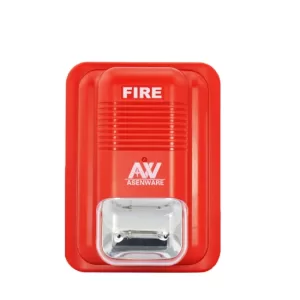
4.3 Audible and Visual Notification Devices
When a fire is detected, notification devices emit:
-
Loud audible alarms
-
Flashing lights
This ensures everyone inside the facility is alerted quickly.
4.4 Addressable Fire Detectors
These advanced devices can identify the precise location of a fire within a building, which:
-
Improves response by firefighting teams
-
Reduces false alarms
How to Choose the Right Fire Alarm System
Selecting the correct system depends on several factors:
5.1 By Building Type
-
🏥 Hospitals require highly sensitive and reliable systems
-
🏢 Office buildings have different requirements
-
🛍️ Shopping centers need wide coverage
5.2 By Anticipated Risks
Each facility has a different risk level, requiring:
-
Early detection
-
Quick response
-
Integration with other safety systems
5.3 According to Safety Standards
Systems must comply with international standards such as NFPA and ISO 7240 to ensure safety and compliance.
KYR Services for Low Current Systems
KYR provides comprehensive services beyond equipment supply:
6.1 Supply of Equipment
KYR supplies all components of fire alarm systems, from detectors to control panels and notification devices.
🔗 Useful external resources:
📎 NFPA Standards – https://www.nfpa.org/
6.2 System Installation
Installation is handled by specialized teams according to:
-
Safety plans
-
Civil defense regulations
-
Client requirements
6.3 Maintenance and After-Sales Service
Maintenance services ensure:
-
Continued system effectiveness
-
Training for personnel
-
Technical updates
Benefits of Choosing KYR
Partnering with KYR Company guarantees:
✅ Extensive experience (>20 years)
✅ Continuous technical support
✅ Integrated solutions (Supply + Installation + Maintenance)
✅ Compliance with industry standards
Necessary Tests and Inspections Before Operation
Before the system is handed over, conduct:
-
Device response tests
-
Audible and visual alarm tests
-
Verification of system connection to authorities
Periodic Maintenance and Its Importance
Semi-annual or annual maintenance is critical to:
❗ Ensure detector sensitivity
❗ Replace faulty parts
❗ Update software
User Operation Guide
Upon system operation:
-
Learn fire hazard zones
-
Know how to use pause or reset buttons
-
Train staff for rapid evacuation
Frequently Asked Questions (FAQ)
Q: What is the difference between Conventional and Addressable systems?
A: Conventional systems monitor wide zones, while Addressable systems identify the exact fire location.
Q: Is maintenance mandatory?
A: Yes, to ensure continuous protection.
Conclusion
Fire alarm systems are not a luxury but a necessity, especially in critical facilities. With KYR, you get complete solutions from design to execution and maintenance.
If you want a custom system plan for your site, we can provide a detailed technical guide.
References and Links
KYR Company Official Website – https://www.kyrcompany.com/ar/
🔗 NFPA Standards – https://www.nfpa.org/
🔗 ISO 7240 – Fire Detection and Alarm Systems – https://www.iso.org/standard/72477.html